

Healthy gums are an important part of a healthy smile. However, gum disease is one of the most common oral health conditions and can develop gradually, sometimes without noticeable symptoms in its early stages.
The good news is that gum disease is often preventable, and when it does develop, there are several treatment options available. Understanding what causes gum disease and how to recognize and treat it can help protect your gums, teeth, and overall oral health.
What Causes Gum Disease?
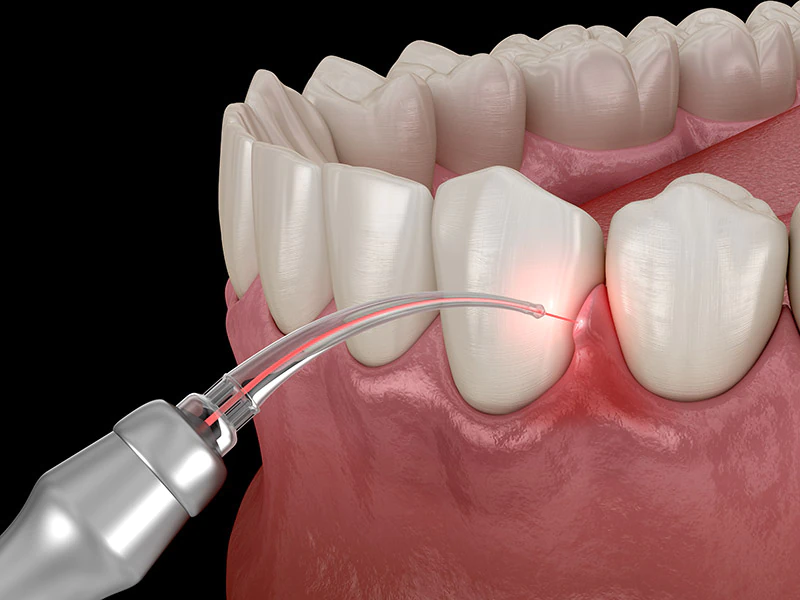 Gum disease, also called periodontal disease, is an infection and inflammation of the tissues that support your teeth. It typically begins when plaque, a sticky film of bacteria, builds up along the gumline.
When plaque isn't adequately removed through daily brushing and cleaning between the teeth, it can harden into tartar. Unlike plaque, tartar cannot be removed with regular brushing and requires professional dental cleaning.
Several factors can increase your risk of developing gum disease, including:
- Inadequate brushing and flossing
- Smoking or tobacco use
- Certain medical conditions
- Hormonal changes
- Some medications
- Genetics and family history
- Teeth grinding or clenching
- Crowded or difficult-to-clean teeth
Regular dental visits are important because gum disease can progress without causing significant discomfort.
What Are the Stages of Gum Disease?
Gum disease generally develops in stages.
Gingivitis
Gingivitis is the earliest stage of gum disease. It occurs when plaque buildup causes the gums to become inflamed.
Common signs include red, swollen, or tender gums and bleeding when brushing or flossing. At this stage, gum disease has not yet caused the bone loss associated with advanced periodontal disease, and professional treatment combined with improved oral hygiene can often help restore gum health.
Periodontitis
When gingivitis is left untreated, it can progress to periodontitis, a more advanced form of gum disease. The infection and inflammation can begin affecting the tissues and bone that support your teeth.
As periodontitis progresses, pockets can form between the gums and teeth, making it more difficult to keep the area clean. Eventually, bone and tissue loss can lead to loose teeth or tooth loss.
Because periodontal disease can cause permanent damage, early diagnosis and treatment are important.
How Can You Prevent Gum Disease?
Good oral hygiene is one of the best ways to protect your gums. Prevention starts with consistent daily habits.
Brush your teeth twice a day with a soft-bristled toothbrush and fluoride toothpaste. Clean between your teeth every day using floss or another interdental cleaner recommended by your dental team.
It's also important to maintain regular dental visits. Professional cleanings can remove plaque and tartar that you can't effectively remove at home, while dental and periodontal examinations allow your dental team to monitor the health of your gums.
If you smoke or use tobacco, quitting can also significantly benefit your oral and overall health.
How Is Gum Disease Treated?
The appropriate treatment for gum disease depends on the stage and severity of the condition. Your periodontist will evaluate your gums and supporting structures before recommending a personalized treatment plan.
Professional Dental Cleanings
For patients with early gum inflammation, a professional cleaning and improved at-home oral hygiene may be enough to restore gum health.
Scaling and Root Planing
Scaling and root planing, sometimes called a deep cleaning, is a common treatment for gum disease. During this procedure, plaque and tartar are carefully removed from below the gumline, and the tooth roots are cleaned and smoothed.
This can help reduce inflammation and allow the gums to heal and reattach more closely to the teeth.
Periodontal Maintenance
Patients who have been diagnosed with periodontal disease may need more frequent professional cleanings and ongoing periodontal maintenance. These visits help control bacteria and monitor the health of the gums and supporting structures.
Periodontal Surgery
When gum disease is more advanced or doesn't respond adequately to nonsurgical treatment, periodontal surgery may be recommended. Depending on your specific needs, surgical treatment can address deep periodontal pockets, damaged tissue, or areas where the supporting bone has been affected.
Your periodontist will explain your options and recommend the least invasive approach appropriate for your condition.
Laser Periodontal Treatment
In some cases, advanced technology may be used as part of periodontal treatment. Laser-assisted procedures can help target diseased tissue and bacteria while supporting the treatment of periodontal infection.
Your periodontist can determine whether laser treatment is appropriate based on your individual periodontal needs.
Why Early Treatment Matters
Gum disease doesn't always cause significant pain, so it's possible to have periodontal disease without realizing it. Bleeding gums, persistent bad breath, gum recession, or loose teeth should not be ignored.
The earlier gum disease is diagnosed, the more opportunities your dental team has to control the infection and protect the tissues and bone supporting your teeth.
At Gaither Perio & Dental Implants, our team specializes in periodontal health and dental implant care. If you're experiencing signs of gum disease or have been told you may need periodontal treatment, we're here to evaluate your oral health and develop a treatment plan tailored to your needs.
Contact Gaither Perio & Dental Implants today to schedule a periodontal evaluation and take the next step toward healthier gums.


