
At Gaither Perio and Dental Implants, bone grafting is a foundational procedure that restores strength and volume to the jawbone. When bone loss occurs due to gum disease, tooth loss, infection, or trauma, it can compromise both oral health and the ability to place dental implants. Bone graft surgery helps rebuild that lost structure, creating a stable and healthy foundation for long-term function and aesthetics.
Dr. J. Wade Gaither and his experienced periodontal team in Murfreesboro, TN, take a conservative, highly personalized approach to treatment. Whenever possible, the focus is on preserving your natural teeth and their supporting structures. When bone has already been lost, bone grafting allows us to rebuild what’s needed to support dental implants – without over-treating or recommending unnecessary procedures.
Why Bone Grafting May Be Needed
 Bone loss in the jaw is more common than many patients realize. It can occur for several reasons, including:
- Tooth loss without timely replacement
- Advanced periodontal (gum) disease
- Infection or abscess
- Trauma or injury to the jaw
- Long-term denture wear without underlying bone stimulation
When the jawbone begins to shrink, it can lead to changes in facial structure, shifting teeth, and difficulty supporting dental restorations like implants or bridges.
Bone grafting helps reverse these effects by regenerating lost bone tissue and restoring structural integrity.
How Bone Grafting Works
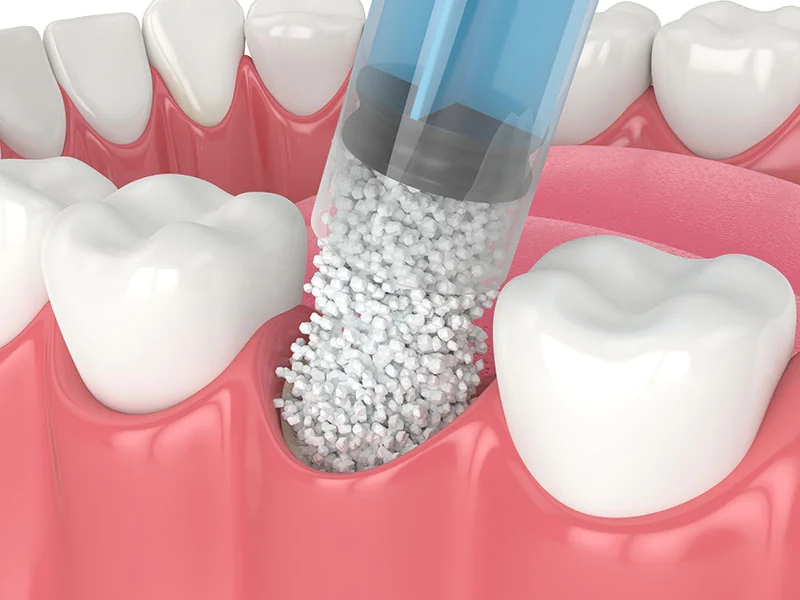
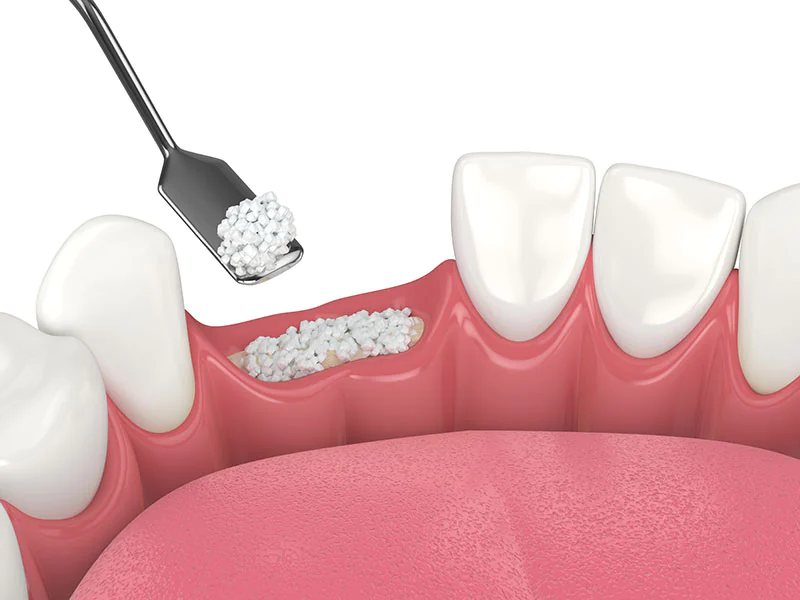
Bone grafting is a surgical procedure that adds bone material to areas of deficiency in the jaw. This graft material may come from your own body, a donor source, or biocompatible synthetic materials. Once placed, the graft acts as a scaffold, allowing your body to naturally grow new bone over time. As healing progresses, the graft integrates with your existing bone, creating a stronger and more stable foundation.
At Gaither Perio and Dental Implants, advanced diagnostic imaging and careful treatment planning are used to determine the exact type and amount of grafting needed for predictable results.
Bone Grafting for Dental Implants
One of the most common reasons patients need bone grafting is to prepare for dental implants. Successful implant placement requires adequate bone height, width, and density.
If bone loss has occurred, grafting can:
- Rebuild bone to support implant placement
- Improve long-term implant stability
- Enhance aesthetic outcomes, especially in visible areas
- Reduce the risk of implant complications
Dr. Gaither is highly experienced in implant dentistry and carefully evaluates each case to determine whether grafting is needed before implant placement – or in some cases, at the same time as implant surgery.
What to Expect During Treatment
Bone grafting is performed with patient comfort in mind. Depending on your treatment plan, sedation options may be available to help ensure a relaxed, calming experience.
During the procedure, the graft material is placed in the targeted area and secured to support healing. Over the following months, your body naturally rebuilds bone around the graft.
Healing time varies depending on the size and location of the graft, as well as your overall health. Dr. Gaither and the team provide detailed aftercare instructions and ongoing monitoring throughout the healing process.
Advanced Care You Can Trust
 As a practice focused on complete periodontal health and implant excellence, Gaither Perio and Dental Implants uses modern techniques and advanced technology to support predictable outcomes and minimally invasive care. Our approach is always centered on education and transparency; you’ll understand not just what treatment is recommended, but why it matters for your long-term oral health.
Rebuild Your Healthiest Smile
Bone grafting is often an essential step toward rebuilding a healthy smile. Whether you’re preparing for dental implants or addressing the effects of bone loss, our goal is to restore a strong foundation that supports both function and aesthetics for years to come.
If you’ve been told you may need bone grafting or you’re exploring dental implant options, contact our Murfreesboro office to schedule a consultation with Dr. Gaither and discover what’s possible for your smile.


